
Published: November 2026

AI and Real-World Evidence in HTA: Insights from our Question of the Day Boards at ISPOR Europe 2026

During ISPOR Europe 2026 in Vienna, the YHEC team had the pleasure of speaking with many delegates across the exhibition hall. Alongside presenting 17 research posters and hosting an issue panel on environmental sustainability, we invited visitors to our booth to weigh in on our daily ‘Question of the Day’ boards. These interactive boards sparked candid conversations around two of the hottest topics in health economics outcomes research (HEOR) and health technology assessment (HTA): generative artificial intelligence (AI) and real-world evidence (RWE). Here is an insight into how delegates voted and the key themes that emerged from our discussions at the booth.

Day 1: The Five-Year Impact of Generative AI on HTA Workflows

On Day 1, we asked delegates: “What level of impact do you think Generative AI will have on the following HTA-related workflows over the next five years?” The workflows included localisation of value dossiers, predictive AI analytics, economic model development, and HTA decision making. Participants could rank the impact on each workflow as minor, moderate or major. With Day 1 conference sessions heavily focused on AI with the launch of both the NICE AI methods for evidence framework and ISPOR’s Special Task Force report on AI use in systematic literature reviews, this board saw lots of engagement from visitors who had already formed strong opinions on where the technology is heading (Figure 1).
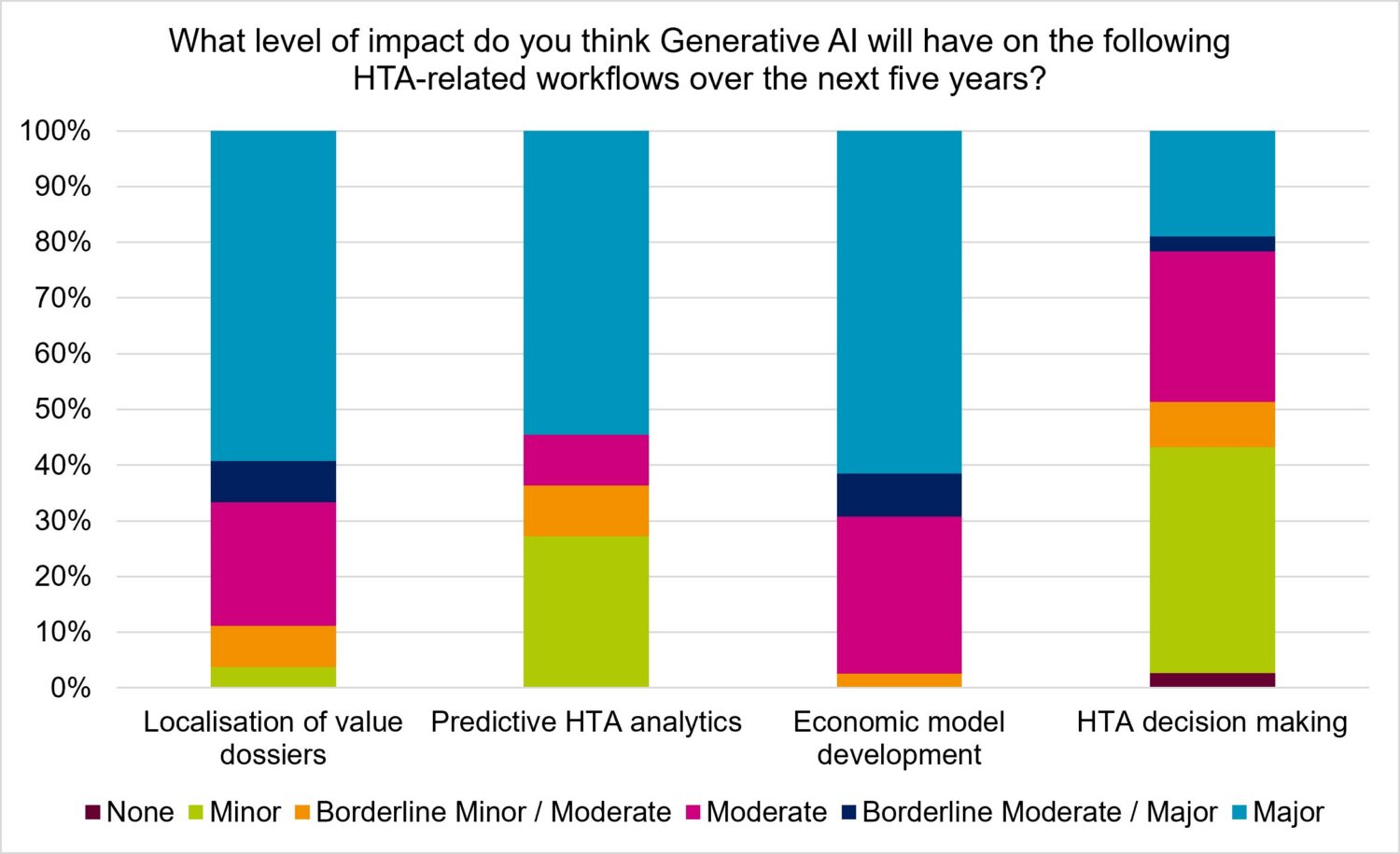
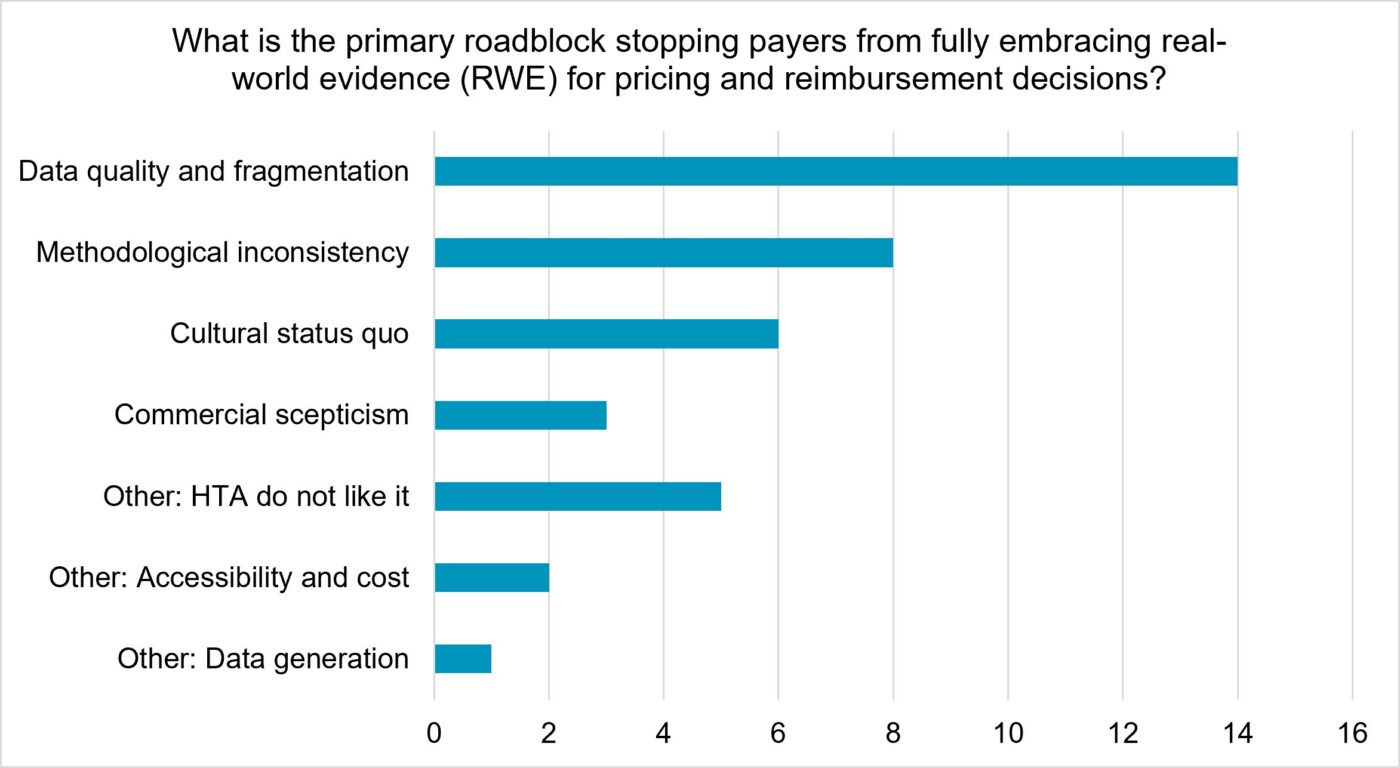
Figure 1: Responses to the Question of the Day for Day 1

  • Localisation of value dossiers: Participants overwhelmingly voted for AI having a Major impact here, with a smaller cluster expecting a Moderate impact and virtually none viewing it as minor. This highlights how delegates potentially see dossier adaption and drafting as low-hanging fruit for generative tools.
  • Predictive HTA analytics: There was a strong consensus toward a Major impact, though a noticeable minority still expect only a Minor or Moderate impact from AI.
  • Economic model development: Opinions were more split between a Moderate and Major impact, with only a single response placed on the boundary between minor and moderate. YHEC attendees noted from conversations on this at the booth, there was a general consensus that because AI is already being used in model development, to varying degrees, its impact over the next five years is inevitably going to be high.
  • HTA decision-making: In stark contrast to the workflows above, delegates largely felt Generative AI will have only a Minor impact on actual HTA decision-making over the next five years, underscoring the view that human judgment, transparency and accountability will remain central to reimbursement decisions. One visitor to the Question of the Day board even placed their sticker intentionally to the left of the Minor column to create a brand-new “No influence” category, making it clear that AI should have no role in final decisions. From discussions with visitors to the board, it became apparent that the wide spread of votes reflected a clear line delegates were drawing between AI-assisted decision-making (which people were relatively comfortable with) and AI making the decisions (which met far more resistance).

Day 2: Roadblocks to Embracing RWE

On Day 2, we asked: “What is the primary roadblock stopping payers from fully embracing real-world evidence (RWE) for pricing and reimbursement decisions?” Compared to Day 1, delegates found this question much harder to answer, often pausing for longer in front of the board to weigh their options. While it drew fewer overall interactions, it sparked much deeper conversations, particularly among those adding their own thoughts (Figure 2).

Figure 2: Responses to the Question of the Day for Day 2

  • Data quality and fragmentation emerged as the clear frontrunner, drawing the highest number of votes.
  • Methodological inconsistency came in second, highlighting ongoing concerns around study design, bias and standardisation across jurisdictions.
  • Cultural status quo placed third, showing that institutional habits and comfort with traditional randomised controlled trial (RCT) evidence act as barriers to embracing RWE.
  • Finally, commercial scepticism received the fewest votes among the preset options.
  • Several attendees added their own perspectives under Other and voted for each other’s additions. This underscores how varied the barriers are. Notes included “HTA don’t like it” (which attracted four additional votes in agreement) and “Data governance”.

Reflecting on the discussions at the booth, YHEC staff noted that visitors largely fell into two camps. The first group pointed to systemic and cultural barriers, such as institutional reluctance across certain HTA agencies. The second highlighted practical issues with the data itself, including quality and accessibility. Visitors also raised the commercial reality that accessing RWE data systems can be prohibitively expensive, even when large volumes of data points already exist for a product.

Continuing the Conversation

Whether exploring the practical boundaries of Generative AI or tackling the systemic and commercial barriers holding back RWE, it is clear that the HEOR community is entering an exciting period of evolution. Thank you to everyone who stopped by the YHEC booth in Vienna to place a sticker, share a perspective or debate the future of HTA with our team!

Contact Us

If you would like to delve deeper into how RWE is shaping evidence generation, explore our previous blogs on RWE in healthcare for more insights. You can find out more about our Outcomes Research and HTA services or Contact Us today to discover how we can support you your upcoming evidence generation and market access needs. 

You may also be interested in