YHEC’s insights from ISPOR Europe 2025, Glasgow

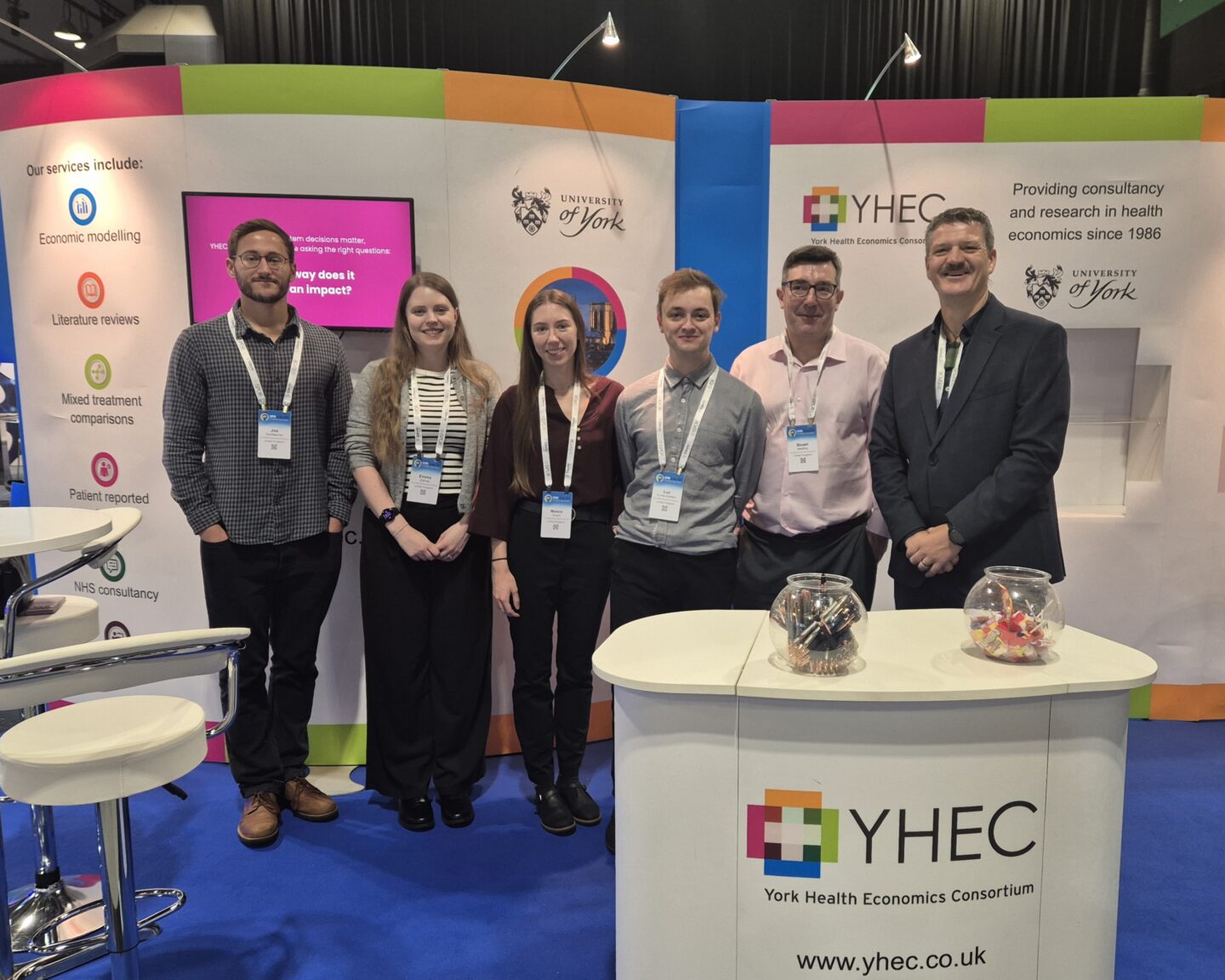
YHEC was delighted to have a team of 11 colleagues attend ISPOR Europe 2025 in Glasgow this November. Our attendees ranged from Research Assistants early in their careers to our CEO, Professor Matthew Taylor, a well-known name within the field.

The conference theme was “powering value and access through patient-centred collaboration”, emphasising the importance of strengthening partnerships across the healthcare ecosystem to accelerate patient-centred decision-making. But patient-centred collaboration wasn’t the only topic that dominated this year’s agenda. Our team share their reflections on the major themes discussed at the conference.

Artificial intelligence (AI)

Over the past few years, the use of AI in health economics and evidence synthesis has been a hot topic – and it was no different at ISPOR. We are increasingly seeing the integration of AI into HEOR workflows, and there was some great research attesting to the most recent of these developments.

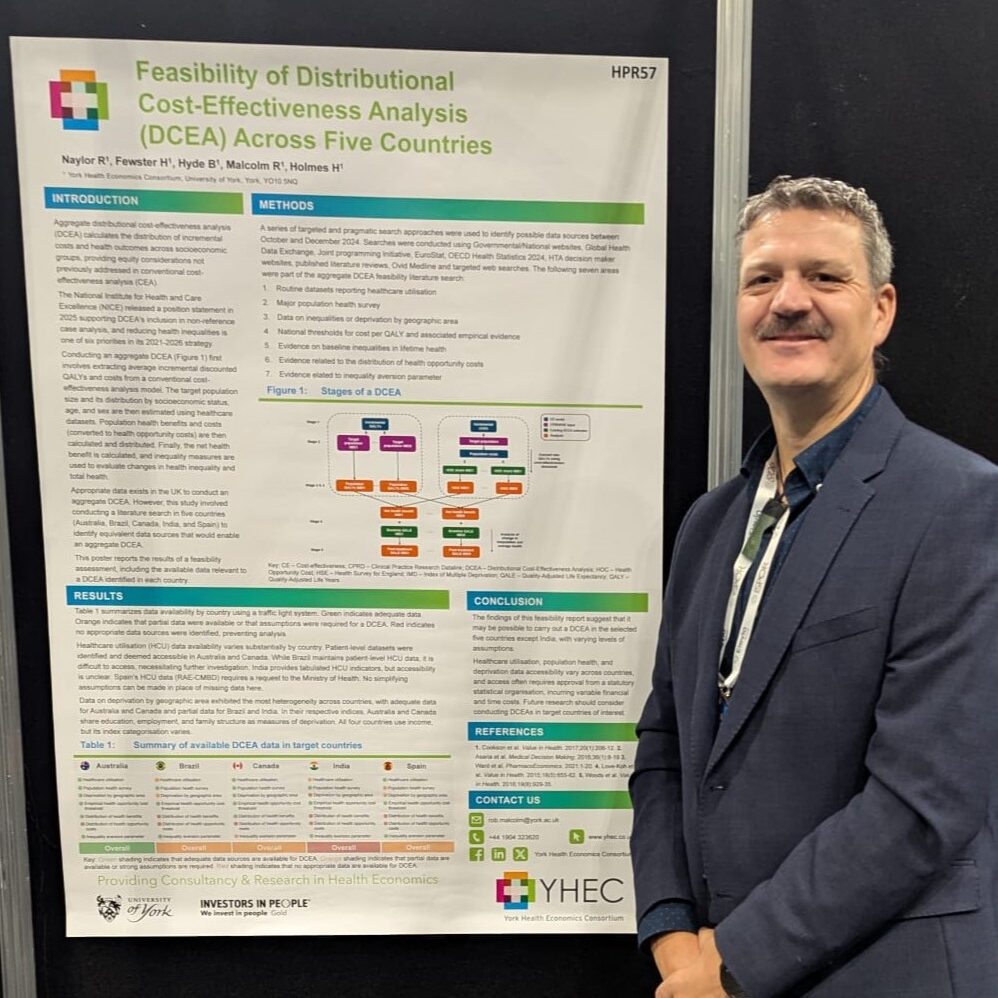
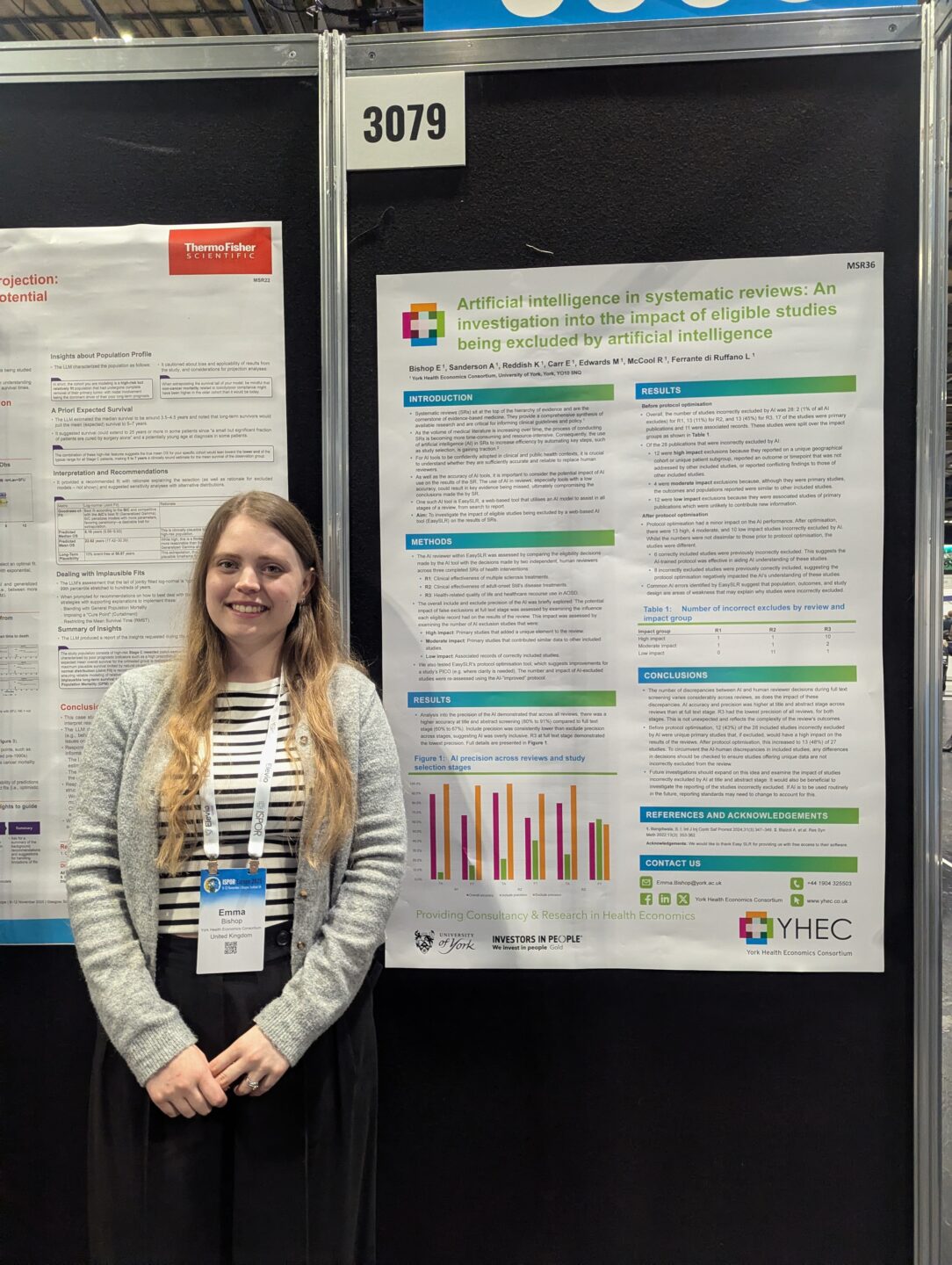
A major focus was on using AI within different stages of systematic reviews [14]. As the systematic review process is often time-intensive, repetitive and involves large volumes of data, using AI to assist with tasks like screening and data extraction has potential. Similarly, we enjoyed other ISPOR presentations that discussed the use of AI to analyse data from electronic medical records and disease registries [5]. We were pleased to contribute to the discussions, presenting posters that examined the accuracy of AI in study selection [6] and the impact of AI incorrectly excluding eligible studies [7].

While the use of AI does provide many opportunities, conversations also explored the associated challenges, with debates covering data quality, transparency and governance. Certain applications, such as using AI to predict EQ-5D responses or anticipating external assessment group (EAG) questions for a NICE submission, seemed tenuous and perhaps even unnecessary. There was also a sense of a somewhat inflated understanding of current capabilities based on a few current “use cases”, with many automation tools being repackaged as AI [8].

Overall, the discussions highlight the need for cautious optimism in AI adoption. This is aligned to YHEC’s approach to AI: researcher-led, AI-empowered. We use AI to supplement our service, but experienced consultants are involved at every stage to ensure that our work remains rigorous, defensible and useful for all stakeholders.

Environmental sustainability and value assessment

The topic of environmental sustainability had a strong and visible presence across panels, posters and presentations, reflecting a clear shift toward embedding environmental impact within the broader definition of healthcare value. A central topic was centred on how to operationalise environmental sustainability within health technology assessment (HTA) frameworks, including methods to quantify carbon and resource impacts alongside cost and health outcomes.

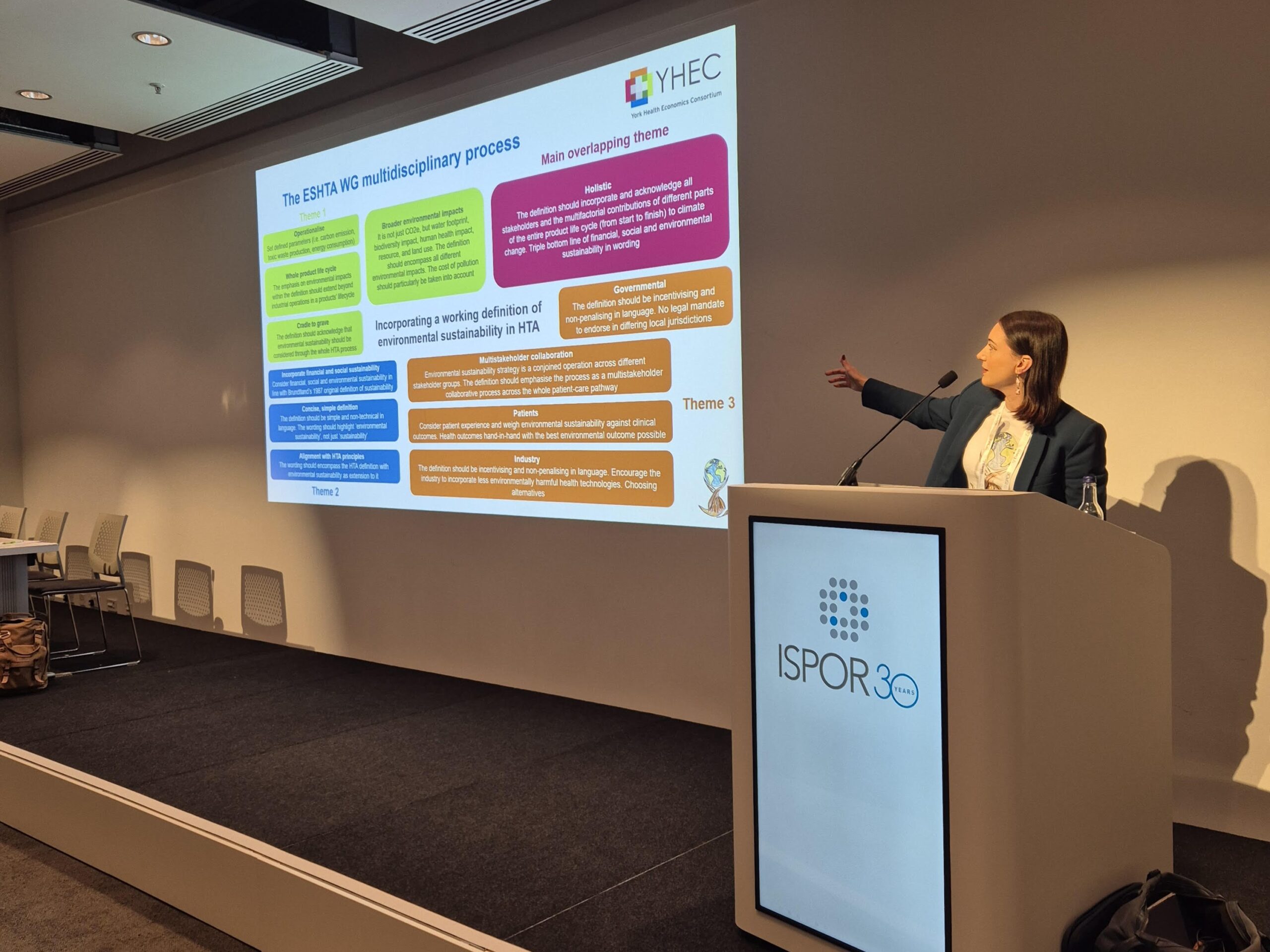
We were pleased to be leading these conversations, with YHEC’s Melissa Pegg (Senior Research Consultant), participating in two issue panels [9,10] as the co-founder of the HTAi Environmental Sustainability in HTA working group. Melissa is also part of the ISPOR Special Interest Group for environmental sustainability, alongside YHEC’s CEO (Professor Matthew Taylor) and Director of Digital Health Technologies Consulting (Hayden Holmes).

To find out more about our involvement in pioneering these discussions, read our blog post exploring how HTA can shape a more sustainable future for healthcare.

Melissa Pegg is leading a panel presentation, gesturing towards the slides displayed next to her.

Patient-centred collaboration

The conference theme, “powering value and access through patient-centred collaboration”, was most visible in the focus on how to rigorously measure and integrate patient preference and experience data in HTA.

Key sessions and posters revolved around the application of methods like discrete choice experiments and the use of robust patient-reported outcome measures. The use of patient experience data in clinical trials remains fragmented [11]. However, there was the view that the future of value assessment requires moving beyond clinical and cost-effectiveness data to systematically capture the patient’s unique perspective. This, in turn, directly influences HTA submissions and market access.

ISPOR this year focused on how meaningful patient inclusion can unlock important innovation in healthcare. New technologies are reshaping how care is delivered and embracing them can strengthen patient empowerment. Involving patients from the earliest stages of development, even before clinical trials begin, helps shape studies around real needs and produces evidence that regulators and payers are more likely to value.
Andria Joseph, YHEC Project Director, Outcomes Research

EU Joint Clinical Assessment (JCA)

With JCAs becoming mandatory for oncology therapies and advanced therapy medicinal products (ATMPs) in January 2025, the EU HTA Regulation was understandably a dominant topic. The first 10 JCAs are underway, and the industry is eagerly awaiting publication of these initial assessments

While the foundational evidence requirements remain largely consistent with existing national HTA processes, the JCA structure demands a shift in packaging, presentation and timelines to facilitate adoption across diverse national systems. We anticipate that requirements will continue to evolve as the output of the first assessments begin to be published next year.

Community and connections

The conference provides a valuable opportunity to step away from research and engage with the wider HEOR community. Our team particularly enjoyed the networking opportunities, meeting old friends and colleagues, and talking to clients face-to-face. This sense of community was highlighted by Professor Matthew Taylor:

I was proud to see so many YHEC alumni driving innovation across the HEOR field — a testament to how YHEC helps launch impactful and lasting careers in health economics.
Professor Matthew Taylor, YHEC CEO

References

[1] Issue Panel 102. Gen AI in Systematic Literature Reviews: First Case Study on Gen AI in a NICE Submission. ISPOR Europe, Glasgow, Scotland, 2025. 

[2] MSR203. Traditional vs. Generative AI: A Rapid Systematic Review Assessing Accuracy and Efficiency of AI in Title/Abstract Screening. ISPOR Europe, Glasgow, Scotland, 2025. 

[3] Issue Panel 136. Battle of the Bots: Navigating the Landscape of AI-Enabled Systematic Literature Review Platforms. ISPOR Europe, Glasgow, Scotland, 2025. 

[4] MSR207. Turning the Tables: AI Halves Table Extraction Time in HEOR Systematic Reviews. ISPOR Europe, Glasgow, Scotland, 2025. 

[5] Issue Panel 027. Generative AI: Driving the Next Era of Evidence-Based Medicine. ISPOR Europe, Glasgow, Scotland, 2025. 

[6] MSR116. Give Us the Tools and We Will Finish the Job: How Accurate is AI for Study Selection in Systematic Reviews? ISPOR Europe, Glasgow, Scotland, 2025. 

[7] MSR36. Artificial Intelligence in Systematic Reviews: An Investigation into the Impact of Eligible Studies Being Excluded by Artificial Intelligence. ISPOR Europe, Glasgow, Scotland, 2025. 

[8] MSR43. Automation-Only is NOT AI: Beware, HEOR Colleagues. ISPOR Europe, Glasgow, Scotland, 2025. 

[9] Issue Panel 041. Does Environmental Sustainability Warrant a Spot on ISPOR’s Value Flower: A Multistakeholder Debate. ISPOR Europe, Glasgow, Scotland, 2025. 

[10] Issue Panel 132. Innovation and Environmental Sustainability in Healthcare: A Multistakeholder Responsibility. ISPOR Europe, Glasgow, Scotland, 2025. 

[11] P17. Implementation of Patient Experience Data in Clinical Trial Design: A Literature Review and Semi-Structured Interviews. ISPOR Europe, Glasgow, Scotland, 2025. 

You may also be interested in