Key themes
A few key themes emerged consistently throughout the conference:
- The diagnostic odyssey: Around 30 million people across Europe are living with a rare disease, yet diagnosis continues to take far too long, with many patients still facing diagnostic odysseys of more than five years.
- Policy developments: Major policy developments, including most favoured nation (MFN) pricing proposals in the US, new EU pharmaceutical legislation and the proposed European Biotech Act, are already shaping the future of orphan drug development and patient access.
- Evidence vs emotion: Emotional urgency should never replace the need for robust evidence. Passion drives progress, but good decisions require good data.
- Early real-world evidence: Fit-for-purpose real-world evidence must be considered early, with clear PICO questions, robust methodologies and outcomes that matter to patients.
- Addressing fragmentation: Fragmentation remains a persistent challenge, spanning diagnosis, care, research, data, treatment access and social inclusion.
- Person-centred care: There is broad consensus on the need for more integrated, person-centred care pathways that support individuals throughout their journey, not just at isolated touchpoints.
- Patients as co-designers: People living with rare diseases must be partners in co-design, not simply participants in consultation, as we collectively work towards more holistic and sustainable rare disease policies.
- EU strategy: The co-developed European Blueprint and proposed EU Action Plan aim to move Europe towards a more coordinated, equitable and accountable framework for rare diseases.
Standout sessions
Among the many insightful presentations across the two days, two sessions particularly stood out to our team for their focus on policy, economic sustainability and system-wide alignment.
Balancing patient-centricity with payer realities
The first was a compelling talk by Omar Ali on the combined impact of joint clinical assessment (JCA) and US MFN pricing proposals on orphan drug access. Speaking from a payer perspective, he provided a practical look at why healthcare systems cannot simply approve every treatment for every condition.
He highlighted an important structural reality: while individual rare conditions affect small numbers of patients, collectively they are common. As a result, adopting a blanket “give everything to everyone” reimbursement model would carry an unsustainable cost, potentially running into several trillion pounds for the UK alone. The key takeaway from his presentation is that while building strong, patient-centric value propositions is vital to support access, it is equally essential to develop robust, payer-relevant messaging that addresses long-term affordability and economic feasibility.
The EURORDIS European Blueprint for Rare Diseases
The second highlight was the presentation of the EURORDIS European Blueprint for Rare Diseases, a landmark document designed to inform the creation of a future EU action plan on rare diseases.
What makes this document particularly significant is that it was co-developed over a ten-month period through extensive consultation with a broad range of stakeholders, including patients, clinicians, researchers, public authorities and industry leaders. The Blueprint sets out 18 priority actions across 6 core policy areas:
- Earlier, faster and more accurate diagnosis.
- Optimisation of the data ecosystem.
- Innovative and needs-led research.
- Specialised and highly specialised healthcare.
- Integrated care and social inclusion.
- Available, affordable, and accessible medicines and devices.
As discussions around EU policy evolve, tracking how these recommendations influence the direction of future legislation and market access pathways will be critical for the entire rare disease community.
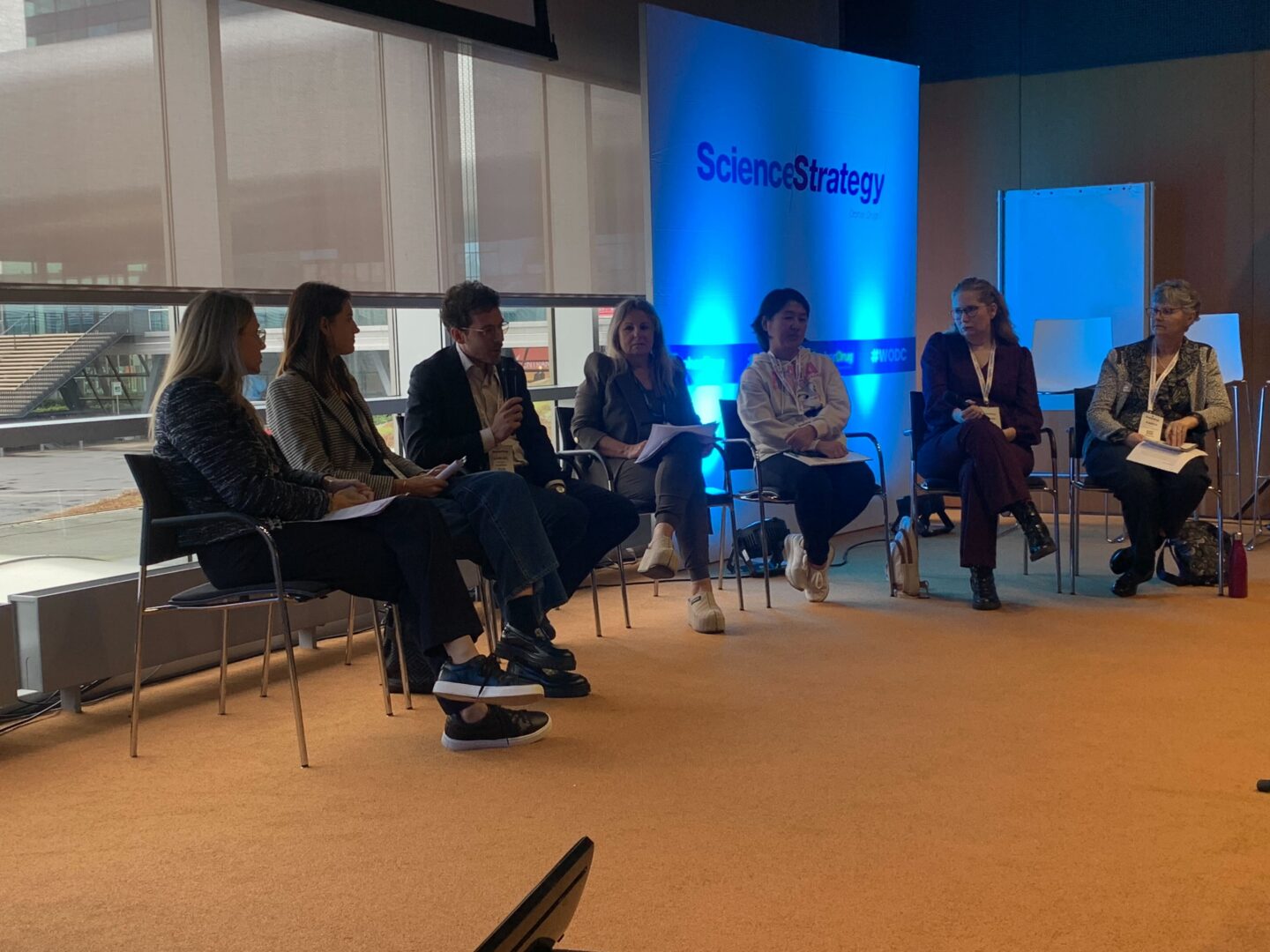
YHEC’s working group session
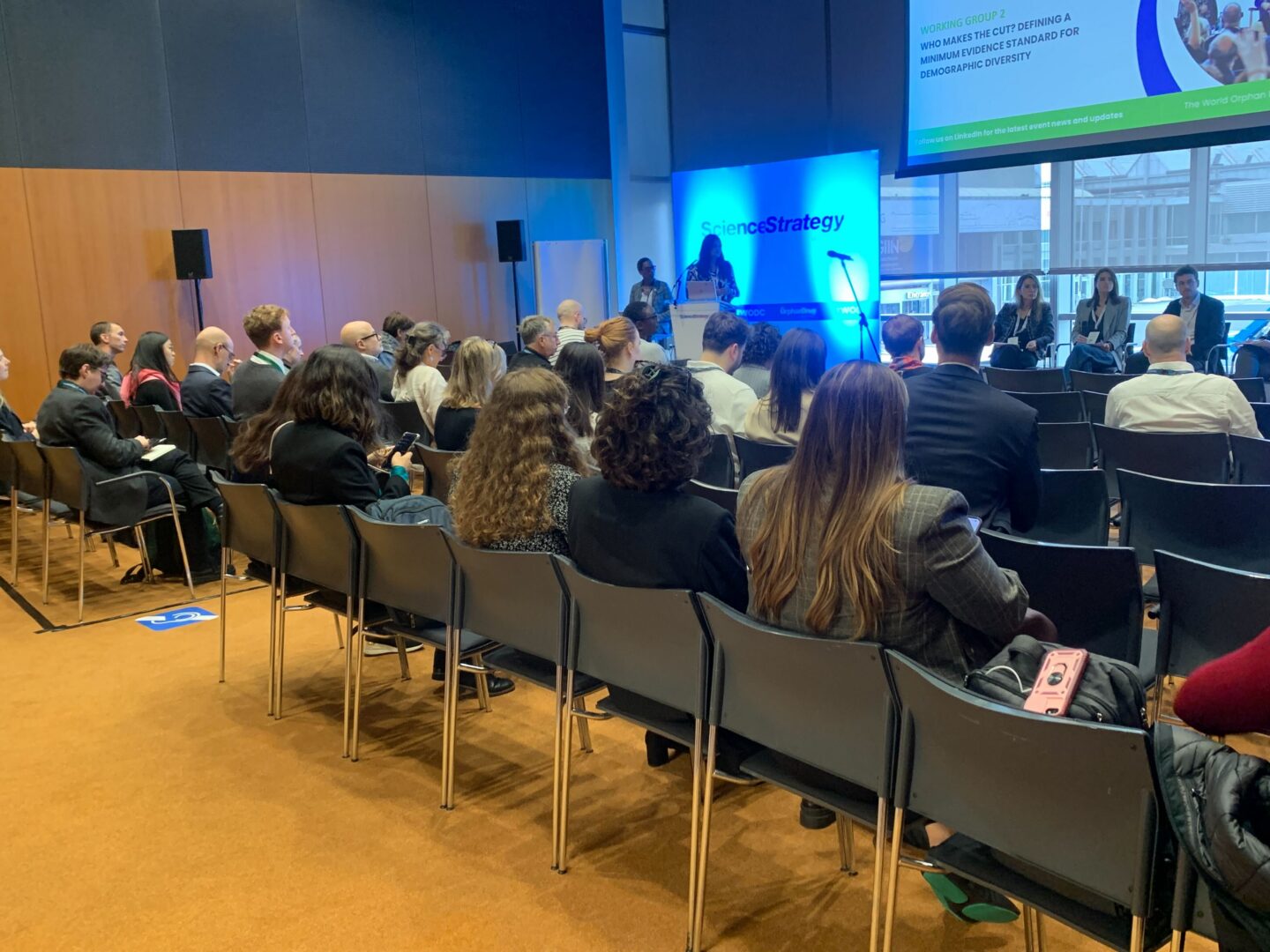
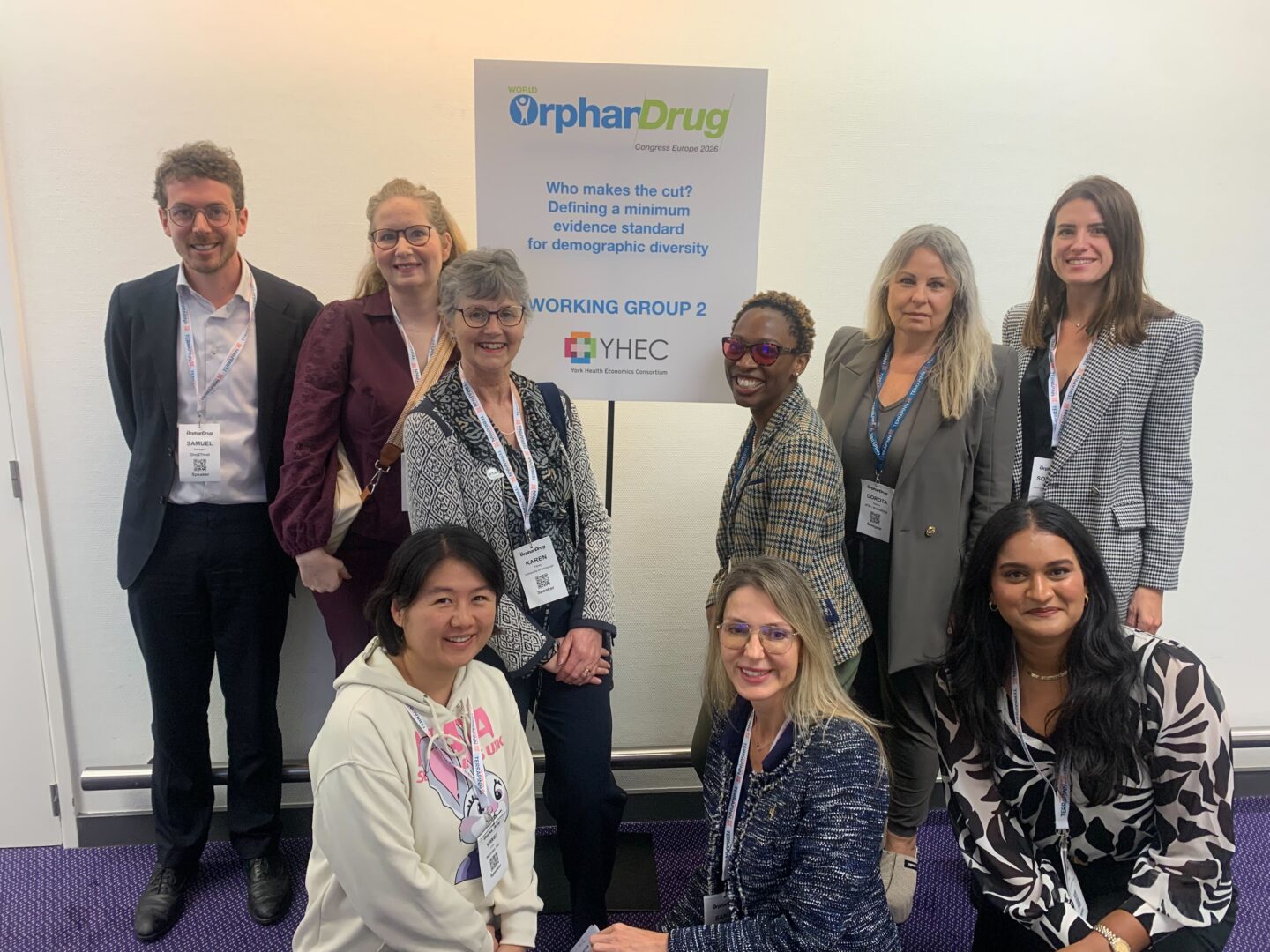
During the conference, YHEC hosted a working group session titled “Who Makes the Cut? Defining a Minimum Evidence Standard for Demographic Diversity,” moderated by hosts Stuart Mealing, Andria Joseph and Lotte Ahmadu. They were joined by an esteemed panel of experts across HTA, statistics and patient advocacy: Dr Sanja Fitzgerald, Dr Samuel Salvaggio, Dr Solange Roumengous, Debbie Hellenbrand, Dr Yiwei Chen, Dr Dorota Zgodka and Dr Karen Facey.
The roundtable addressed the fundamental challenge decision makers face when evaluating rare disease therapies: determining whether evidence generated from small, heterogeneous trial populations, registry data, or natural history studies adequately reflects the real-world patients who will ultimately receive the intervention. Conventional representativeness metrics developed for broad chronic conditions often break down in rare diseases, where statistical subgroup analyses are unfeasible and excessive data demands risk overburdening patients and trial registries.
Rather than treating diversity as a rigid demographic target, the discussion focused on defining a pragmatic minimum evidence standard that gives regulators, HTA bodies, clinicians, and patients clear visibility into who generated the data, who might be missing and which sources of heterogeneity genuinely impact clinical outcomes and cost effectiveness.
The session sparked an engaging dialogue across all stakeholder groups, highlighting a shared appetite for clear, realistic guidelines that balance statistical rigour with the practical realities of small population research. We look forward to building on these insights and continuing to explore this critical area for rare disease evidence evaluation.